What do leafhoppers do
By Sarah Scott
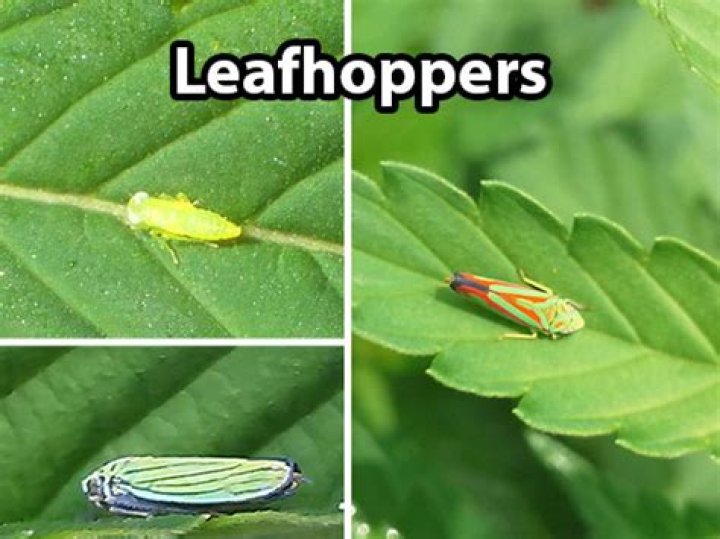
Leafhoppers in certain states often attack apples, grapes, potatoes, and roses in the home garden where damage may be more noticeable. All stages of the insect feed on sap from leaves. Leaves become white, stippled in spots. Leafhopper damage on plants in the garden is remarkably similar to that of spider mites.
What are leafhoppers good for?
Best product. for Leafhoppers Specially formulated to kill mites, aphids, whitefly and more on contact. Many species of leafhoppers exist in home gardens throughout North America. Both adults and nymphs feed by puncturing the undersides of leaves and sucking out plant juices.
Are leafhoppers good or bad?
Leaf Hoppers are a destructive species of pest known to suck-sap from plants and cause plant diseases such as sooty mold. While plant damage from a single Leafhopper is insignificant because they are so small, if there is a large outbreak of them feeding on your plants, they could be at risk.
Do leafhoppers damage plants?
Damage caused by leafhoppers is usually not severe enough to seriously harm mature plants; however, young plants or new growth can be stunted and/or deformed by leafhopper feeding.What are leafhoppers eaten by?
What eats leafhoppers? Because they are one of the most common and abundant groups of herbivorous insects, leafhoppers are an important food source for vertebrate predators such as birds and lizards, as well as invertebrate predators such as spiders, assassin bugs, wasps, and robber flies.
What plants do leafhoppers hate?
PlantPestsGeraniumrepel leafhoppers, the corn earworm, and the Small WhiteHyssoprepels the cabbage looper and the Small WhiteLarkspursrepel aphidsLavenderrepels moths, scorpions, water scorpions, fleas, and flies, including mosquitoes
Do ladybugs eat leafhoppers?
QUITE POSSIBLY THE WORLD’S FAVORITE BUG! Use: Ladybugs prefer to eat aphids and will devour up to 50 a day, but they will also attack scale, mealy bugs, boil worms, leafhopper, and corn ear worm. They dine only on insects and do not harm vegetation in any way.
Is a leafhopper the same as a grasshopper?
What Is The Difference Between Leafhoppers And Grasshoppers? As adults, both of these pests are winged, but grasshoppers can only spring forward, not sideways and backwards. … Leafhoppers pierce plants and suck the plant juices out. Leafhoppers do not eat plant leaves and stems.What is eating my Virginia Creeper?
While animals such as mice, skunks, chipmunks, squirrels, cattle and deer will munch on the leaves and stems of this vine, it is the insect class that relishes the plant. The Virginia Creeper Sphinx Moth, the Achemon Sphinx moth and the Grapeleaf Skeletonizer use the plant as its larvae host.
How do you stop leafhoppers?- Remove Overwintering Sites. …
- Practice Good Watering Hygiene. …
- Get Rid Of Affected Plants. …
- Sprinkle Diatomaceous Earth. …
- Try Floating Row Covers. …
- Use Sticky Traps. …
- Bring Beneficial Insects To The Rescue. …
- Try Insecticidal Soaps & Neem Oil.
Are leafhoppers pests?
Leafhoppers comprise a varied group of pests that damage a wide spectrum of plants, from turfgrasses and shrubs to fruits and vegetables. Some species feed only on closely related plants, but others are less selective.
What do leafhoppers eggs look like?
Egg – The eggs are white to pale white, slender, elongate, and about 0.9 mm long. Nymph – Nymphs are similar in shape to the adults but are smaller and lack wings.
How do you identify a leafhopper?
They can be identified by their red-tipped antennae. Aphids can be distinguished by two tubelike structures, called cornicles, protruding from the hind end. One or more long rows of spines on the hind legs of leafhoppers and characters on their head distinguish leafhoppers from most other insects they resemble.
Can leafhoppers bite?
Pest Status, Damage: Very common and various species feed (with sucking mouth parts) on the juices of a wide variety of plants; occasionally injuring plants and transmitting plant diseases; medically harmless although adult leafhoppers are capable of biting, temporarily producing pain.
What are Leaf Jumpers?
A leafhopper is the common name for any species from the family Cicadellidae. These minute insects, colloquially known as hoppers, are plant feeders that suck plant sap from grass, shrubs, or trees. … Members of the tribe Proconiini of the subfamily Cicadellinae are commonly known as sharpshooters.
How do leafhoppers protect themselves?
Other natural water-repellent surfaces like lotus leaves or guillemot eggs work in the same way, but they are made that way. The leafhoppers, however, waterproof themselves by actively applying a rough surface to their shells.
Are Orange ladybugs poisonous?
No need to fret, ladybirds are not poisonous to humans but they can cause allergic reactions and affect some animals if eaten. Orange-tinted ladybugs – also known as Asian lady beetles – tend to have the most toxins in their bodies, meaning that they may be the most allergenic to humans.
How long do leafhoppers live?
Adults live 30-40 days but may live as much as 90 days. Two to three small white eggs are laid per day onto stems or large leaf veins, and 200 eggs per adult life is possible. Potato leafhoppers will lay eggs on potatoes. Eggs hatch in ten days forming the first of several nymphal stages.
Why do ladybugs not fly at night?
Never release ladybugs during daylight hours. The most common reason why ladybugs disappear is because they are released at the wrong time of day. Ladybugs can’t fly at night, and they can’t take off in the morning until their bodies rise above a certain temperature, so the best time to release them is at sunset.
What animal hates mint?
Mint mixed with thyme kills aphids on plants. It also repels cats, dogs, and wildlife such as raccoons and deer.
How many legs does a leafhopper have?
White with dark heads, they’re soft-bodied and have six legs.
Will Rosemary keep bugs away?
Rosemary. Though you’ll want to plant an herb garden for cooking, rosemary repels flies and mosquitoes. It also has a pungent scent that drives away other bugs, including cabbage moths. It does well in hot dry weather, and thrives in containers, so you can set it in various places around the garden.
Is Virginia creeper poison ivy?
Virginia creeper – Virginia creeper ivy is a well-known poison ivy look-alike. While both plants are vines, they can be distinguished by their leaves. Poison ivy has three leaflets while Virginia creeper has five. … The berries of a Virginia creeper are blue-black, not opaque white or yellowish like poison ivy berries.
Why is my Virginia creeper turning yellow?
Aphids. Large colonies of rusty plum aphids leave Virginia creeper foliage curled, wilted, distorted and yellowed. These insects drink sap from the plant’s tender new stems and leaves. … Checking Virginia creeper’s new growth twice weekly is the best way to discover and control aphid infestations when they’re small.
Is Virginia creeper poisonous?
The berries of Virginia Creeper can be harmful if ingested, however, and the rest of the plant contains raphides, which irritate the skin of some people. Warning: POISONOUS PARTS: Berries. Highly Toxic, May be Fatal if Eaten!
How do leafhoppers spread?
In spring, when wild hosts begin to dry out, the leafhoppers migrate into the valleys where they settle on crops. … The disease does not spread from one plant to another; new infestations are caused by new flights of leafhoppers.
Where are leafhoppers native to?
It is native to North and Central America, extending from Canada south to Panama. It goes by several additional common names, including the Red-banded leafhopper, Scarlet-and-green leafhopper, and Red-and-blue leafhopper.
What is curly top virus in tomato?
When the leaves of your tomatoes, squashes, watermelons or other garden crops thicken and curl, plant growth is stunted and they eventually die, the cause might be curly top virus (CTV). The disease is also known as beet curly top virus (BCTV), named after the beet leafhopper, the insect that transmits the virus.
Where do leafhoppers lay eggs?
Reproduction Patterns of Leafhoppers Adult females lay eggs in the spring when trees start sprouting leaves. She lays her eggs inside the leaves. These eggs generally hatch within two weeks and the nymphs emerge and begin their development, feeding on the juices of the leaves and stems.
Does neem oil work on leafhoppers?
neem oil (may not kill the leafhoppers, but it can discourage feeding)
Do praying mantis eat leafhoppers?
Mantis have enormous appetites, eating various aphids, leafhoppers, mosquitoes, caterpillars and other soft-bodied insects when young. Later they will eat larger insects, beetles, grasshoppers, crickets, and other pest insects.