What does a plowman do
By James Sullivan
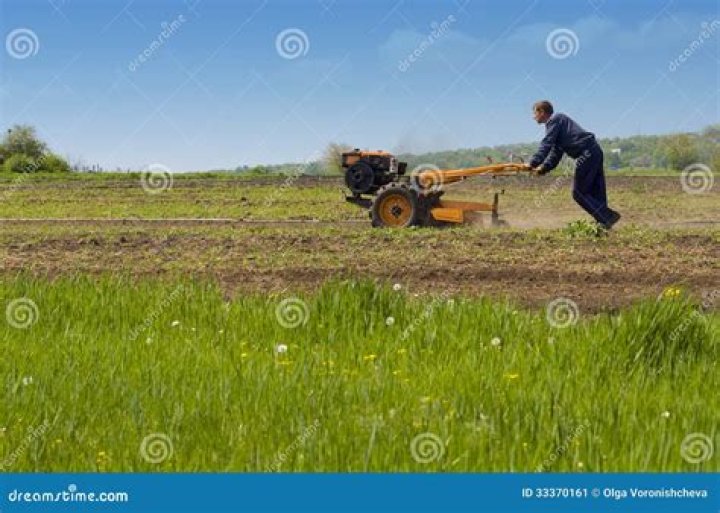
In addition to fetching dung, the Plowman would ‘thresh, and ditch, and also dig and delve. ‘ This type of work would not be for an old, small or weak man.
What was a plowman in the Middle Ages?
The plowman is a member of the lower class, meaning that he dresses very modestly and wears what he can afford to make or buy and that will last long days while he is working. The plowman is a devout man of God and never fails to pay his tithes.
How does society view the Plowman?
The plowman would be considered in modern day society as a farmhand or farmer. He tilled his land 1 acre per day, because that is all a Plowman could accomplish in the Medieval time period with such tools.
Why does the Plowman ride a mare?
Plowman: What is the significance of the plowman riding a mare? It shows he lives simple and takes whatever is given; humble; easy and enjoyable ride.What did a Manciple do in medieval times?
In medieval times, a manciple was in charge of buying and storing food for an institution. Poet Geoffrey Chaucer’s use of this term in his story collection The Canterbury Tales appears to be one of the first in the English language.
What does Chaucer think of the Plowman?
Chaucer emphasizes the Plowman’s industriousness by stating that he is a good and true laborer. The Plowman lives in peace and perfect charity and willingly helps out his neighbors.
What estate Does the plowman belong to?
Third Estate: The Peasantry The third estate performed the work necessary to support and enable the income and lifestyle of members of the Church and Nobility. This estate is well-represented by the plowman, who is very much concerned with toil and work.
Is the Friar more corrupt than the monk?
In what ways is the Friar corrupt? Is the Friar more corrupt than the Monk? He uses his position to gain money; he does not associate with the poor or unfortunate members of society. Though both are corrupt, the “wanton” Friar’s past and his abuse of power are particularly loathsome.How does Friar earn his living?
In medieval England, friars could be “licensed” both to beg in particular regions, and to earn money by hearing confessions or administering the sacraments. Since friars were not supposed to own property, these licenses were their only means of supporting themselves.
Why did the skipper go on the pilgrimage?He would be obeying the Captain’s orders, trying not to got into to much trouble, while causing some. Often he would raid other ships, stealing, killing, and more. This would be why he went on the pilgrimage.
Article first time published onWhat social class was the plowman?
The Plowman is of the peasant class and yet Chaucer describes him as giving a portion of his yearly salary to tithes for the church.
What is the most popular time of year for pilgrimages?
Spring. Spring is the most popular pilgrim season.
What does Chaucer think of the Miller?
The Miller, one of the pilgrims on the trip to Canterbury, is a large, brawny man known for his prowess as a wrestler. Chaucer says that because of the Miller’s strength and temperament, he always wins when he participates in wrestling matches on festival days.
What do Manciples do?
A manciple /ˈmænsɪpəl/ is a person in charge of the purchase and storage of food at an institution such as a college, monastery, or court of law. Manciples were sometimes also in charge of catering more generally, including food preparation.
Why is the Summoner's face red?
The Summoner arraigns those accused of violating Church law. When drunk, he ostentatiously spouts the few Latin phrases he knows. His face is bright red from an unspecified disease. He uses his power corruptly for his own gain.
Do Manciples still exist?
The manciple was the provisioner of meat for a college or an inn of court. Several Oxford and Cambridge colleges still employ manciples, although the role varies from one place to another.
Which characters pilgrims are in the First Estate?
The First Estate was the Church and members of its religious hierarchy. The five characters in The Canterbury Tales who fall into this class include the Prioress, Monk, Friar, Parson, and Pardoner. These characters were born into one of the other two Estates and chose to commit their lives to the Church.
What are the 5 social classes in the Canterbury Tales?
- Nobility/Ruling Class – Knight and Squire.
- Clergy – Monk, Friar, Prioress, Parson, Summoner, Pardoner.
- Middle Class – Merchant, Doctor, Student, Wife of Bath.
- Peasants – Miller, Plowman, Skipper.
- Physical Characteristics, Clothing, and Accessories.
- Words, Experiences, and Personality Traits.
What were the 3 estates during the Middle Ages?
The three Medieval estates were the Clergy (those who prayed), the Nobility (those who fought) and lastly the Peasantry (those who labored).
What is the relationship between the plowman and the parson?
What is the relationship between the Plowman and the Parson? They are brothers.
Who is the Summoner in Canterbury Tales?
The Summoner brings persons accused of violating Church law to ecclesiastical court. This Summoner is a lecherous man whose face is scarred by leprosy. He gets drunk frequently, is irritable, and is not particularly qualified for his position. He spouts the few words of Latin he knows in an attempt to sound educated.
How is the friar a hypocrite?
Chaucer’s friar doesn’t give a fig about the poor and sick. … In short, the Friar is a total hypocrite. He’s not even making a pretense of living a truly friar-ly lifestyle. So his character is one example of how Chaucer loves to critique the rampant corruption of the medieval Church.
Why is the friar corrupt?
Poverty & Riches The Friar is one of many religious figures that Chaucer put on the journey to Canterbury. His actual name is Hubert, and he’s also one of many that is corrupt. … However, this Friar uses his position to steal by pretending to beg for the poor, but instead, pockets the money.
Does Chaucer like the merchant?
Through out Geoffrey Chaucer makes it that the merchant is not his favorite person because of his strong disbelieves on marriage.
What did the Friar know well?
The Friar knows many beautiful women, many affluent men, and rarely associates with the class of people he should live among. The Friar’s duties were to live among the poor, to beg on their behalf and to give his earnings to aid their struggle for livelihood.
What did the Friar carry in his tippet?
According to the best authorities a tippet should be a broad black scarf, capable of being wound round the head and neck as a hood. Apparently the Friar’s tippet had pockets in the ends in which he stuffed his knives, etc.
What did Chaucer think of the friar?
Chaucer’s Opinion: Chaucer has no respect for the Friar at all. He deems the Friar’s treacheries and trickery as hellish and cruel. This is very unlike what a Friar should be, and he is depicted in this way as a sort of contrast to characters such as the Knight.
What does Chaucer think of the Wife of Bath?
In “The General Prologue,” Chaucer describes the Wife of Bath as a deaf, gap-toothed woman. … She is described in “The General Prologue” as being a worthy woman who has only had five husbands. She knows all the remedies of love and is an expert at and preaches and practices the art of love.
Which Pilgrim is a master at stealing grain?
ABmillerThis pilgrim was a master-hand at stealing grain, he played the bagpipes and “He could heave any door off hinge and post.”summonerInstead of summoning a lad into the court to be tried, for a quart of wine he’she would let the lap keep a concubine.
Why is the knight going to Canterbury?
Chaucer’s Characters In the prologue of The Canterbury Tales, Geoffrey Chaucer describes each character traveling on the pilgrimage to Canterbury Cathedral to pay homage to Saint Thomas Becket’s shrine.
Who is the plowman in Canterbury Tales?
The Plowman is depicted as the ideal worker in Geoffrey Chaucer’s The Canterbury Tales. He is generous, industrious, and humble, and he follows his faith without complaining. The Plowman helps others pay their taxes when they cannot afford them and he doesn’t concern himself with wealth.